

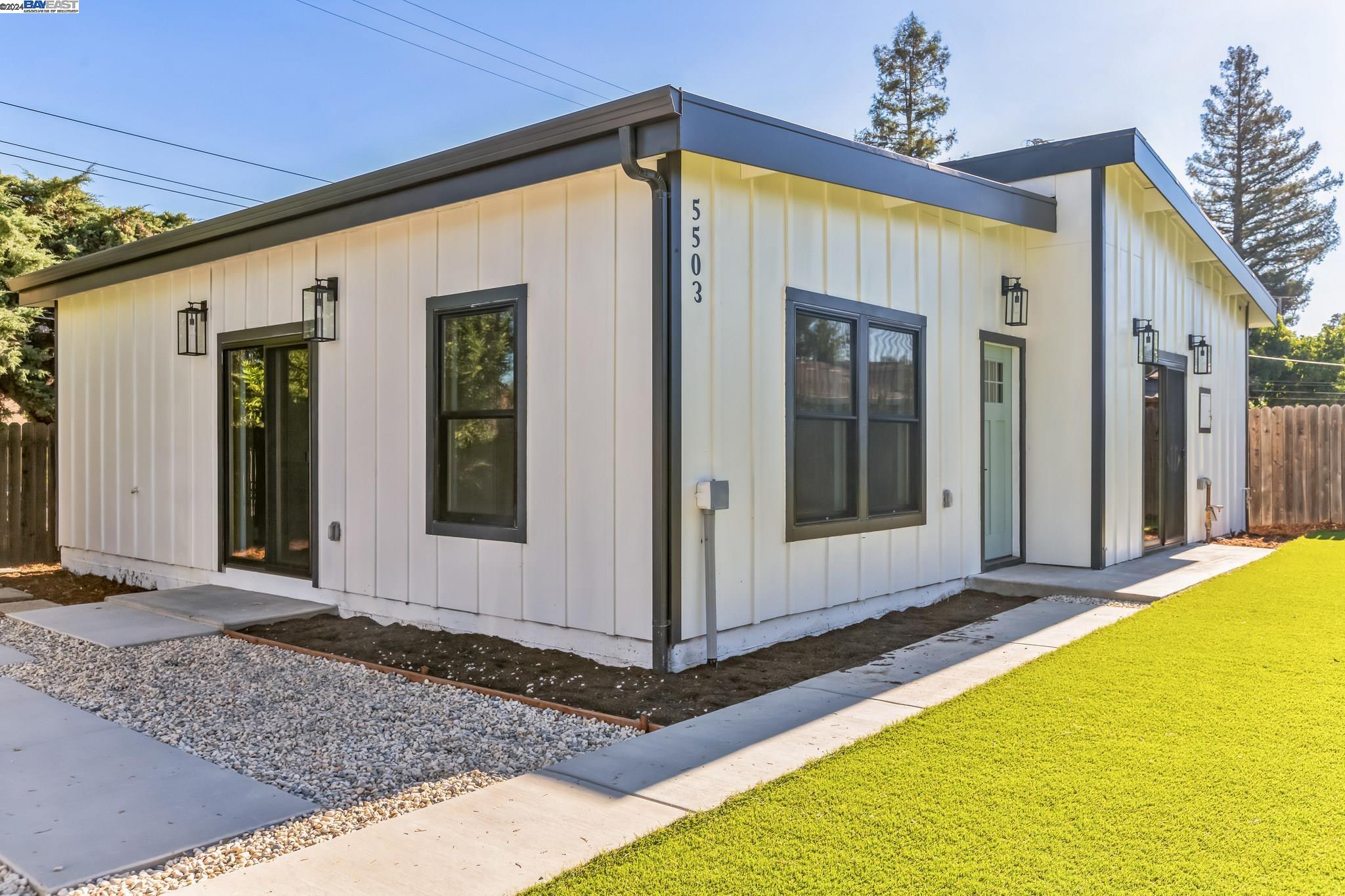
California’s ADU boom presents a golden opportunity for flippers and property developers seeking new investment opportunities.
The state’s housing crisis has forced further relaxation of rules surrounding the building of ADUs (Accessory Dwelling Units).
It has created an ADU boom and makes them a potential gold mine for savvy real estate entrepreneurs.
The California Housing Finance Agency (CalHFA) offers an ADU grant program incentivising the building of ADUs.
Grants are geared towards assisting owner-occupiers and lower income families.
Financial incentives are not generally available to flippers and developers.
But it should not deter you from taking advantage of the new regulations and the rewards that the ADU boom is offering!
Some counties and cities in California offer their own incentives including tax benefits for ADU constructions.
It means that there has never been a better time to consider the ROI potential of ADUs.
How regulations have changed in California
Opportunities to develop ADUs exist in California like nowhere else in the country.
More than 80,000 ADUs have been approved in California since the first reform bill was passed in 2016.
In 2020, ADUs and Junior ADUs were permitted on single-family lots.
Restrictions were further eased in 2025 with the following bills:
AB1033 – allowed homeowners in big cities to sell ADUs separate from primary residences.
AB976 – eliminated owner-occupancy requirements and allowed homeowners to rent both their primary house and ADU without the need to live there.
SB897 – allowed some ADUs to be built up to 18 feet tall availing more freedom of design.
Big cities in California now have to approve ADU permits within 60 days, significantly reducing waiting times.
Designs are more flexible than ever before.
Approval may no longer hinge on the addition of extra parking spaces if the property is close to public transportation.
The adoption of energy-efficient designs and materials will also significantly enhance chances of fast approval.
California’s ADU boom hot spots
The San Fernando region of Los Angeles County continues to be the ADU mecca of California.
Data from 2024-25, reveals it has seen 70 ADU permits per 1000 existing houses over the past six years.
This is more than triple the county average and almost double the figure of 39 approvals per 1000 houses when it led the way between 2017-19.
Other cities in LA County have also witnessed high approval rates including:
- Rosemead
- Temple City
- Sierra Madre
- Hidden Hills
The ADU boom is being felt elsewhere in California as well:
San Diego – ADUs comprised nearly 20% of new housing units in 2023
San Francisco – construction of ADUs has been legalized citywide with new policies facilitating their development
Berkeley – an amnesty program has legalized unpermitted ADUs
Piedmont – ADUs are being utilized to exceed state-mandated housing goals
Different types of ADUs and their ROI potential
Not all ADUs are equal.
There are many different types of ADUs that suit different properties with varying costs and ROIs.
Pre-approved ADU plans are now offered in bigger cities to streamline approval, cutting months from project timelines.
Here are the types of ADUs you should be considering:
Detached ADU – A standalone structure, often built in a backyard, may cost between $200,000-$400,000 to built. It can increase the resale value of a property by between 15-30%.
Attached ADU – An extension to an existing home is cheaper, costing between $150,000-$300,000. While rental yields are lower than for detached ADUs, they still boost property values significantly.
Above-garage ADU – Ideal for maximising space in high-value neighbourhoods, these can be quite lucrative with a build cost of between $200,000-$350,000.
Garage conversions – At between $80,000-$160,000 to build, these are cost-effective, fastest to permit and ideal for those seeking a quick ROI.
Junior ADU – A converted portion of a primary residence such as a bedroom with a separate entrance can cost as little as $30,000-$80,000. But it is better geared towards owner-occupiers seeking rental yield.
Basement ADU – Homes with enough ceiling height and waterproof basements can be converted at a cost of $100,000-$200,000. But the lack of natural light can be problematic and impact appreciation and rental yield.
Flippers seeking an immediate return via sale of a property are best advised to explore detached or attached ADUs.
Those seeking the fastest ROI via renting should consider Junior ADUs with monthly yields of $800-$1500 (paid off in 3-5 years) and garage conversions with monthly yields of $1500-$3000 (5-8 years).
Identifying properties ideal for ADUs
There are some basic guidelines to follow when considering the potential of a property for a basic detached or attached ADU.
Ideally, a lot of at least 7000 square feet is recommended.
The ADU should not exceed more than approximately 36% of that or in this case, 2500 square feet.
For all types of ADUs, it is advised to consider the following:
- Ensure local zoning laws and regulations are ADU-friendly, including cities with pre-approved ADU plans such as Los Angeles, San Diego, San Jose, Oakland and Sacramento.
- Assess the cost of connecting utilities such as electricity, water and sewage
- Search for existing structures such as garages or basements that make ideal conversions.
- Examine local market conditions, seeking areas with low numbers of ADUs or vacancy rates but growing demand for multigenerational housing or rental properties.
Partnering with existing homeowners
Many flippers can unlock lucrative development opportunities without the need to borrow vast amounts of capital to purchase a property.
They may only need the funds for the renovation.
This is achieved by partnering with an existing homeowner to develop their property.
This are a number of different ways this can occur:
Equity joint ventures – the flipper funds ADU construction and splits the profit from its sale or the increased property value with the landowner.
Build-for-rent agreement – the flipper builds the ADU and retains the right to rent it for a fixed term, after which rights revert to the landowner.
Owner-financed build & flip – the flipper builds the ADU and the owner then sells the property with profits split on agreed percentages.
ADU condo split – in cities where ADUs may be sold separately, the flipper may build and sell an ADU, giving the landowner an agreed share of the proceeds.
All of the above arrangements require detailed legal agreements to ensure the rights of both parties are protected.
Get fast funding for your ADU today
Don’t miss the ADU boom in California.
There are so many ways flippers and developers can utilize their talents to build their flipping empire while helping to alleviate the housing crisis at the same time.
But if you are new to the game, you might just need a gentle push to get started.
An experienced voice from someone you trust can reassure you you’re on the right track.
Equidy is that voice of experience in California.
They have an intimate and personal history with all aspects of property development in California and have done so for more than 40 years.
Equidy works closely with their clients to ensure they maximize their leverage and return on investments without putting themselves at unnecessary financial risk.
They do this because they know the California real estate market intimately and advise their clients every step of the way to help them eliminate costly delays.
But Equidy is not just a reputable and trusted advisor.
They are also a private money lender who finance flippers and developers in as little as 48 hours, helping them take advantage of the ADU boom or any great opportunity that arises.
They stand by their core belief that anything is possible and they are determined to prove it every single day.
Even in challenging economic times, they love to reward entrepreneurship and strive to help their clients realize their wealth creation dreams.
Equidy enjoys long and established relationships with serious investors, sellers and real estate professionals while leveraging their reputation and trust, using clear communication to minimise the risk to all parties.
Apply now (it only takes a few mins) tor book your free strategy call.


