

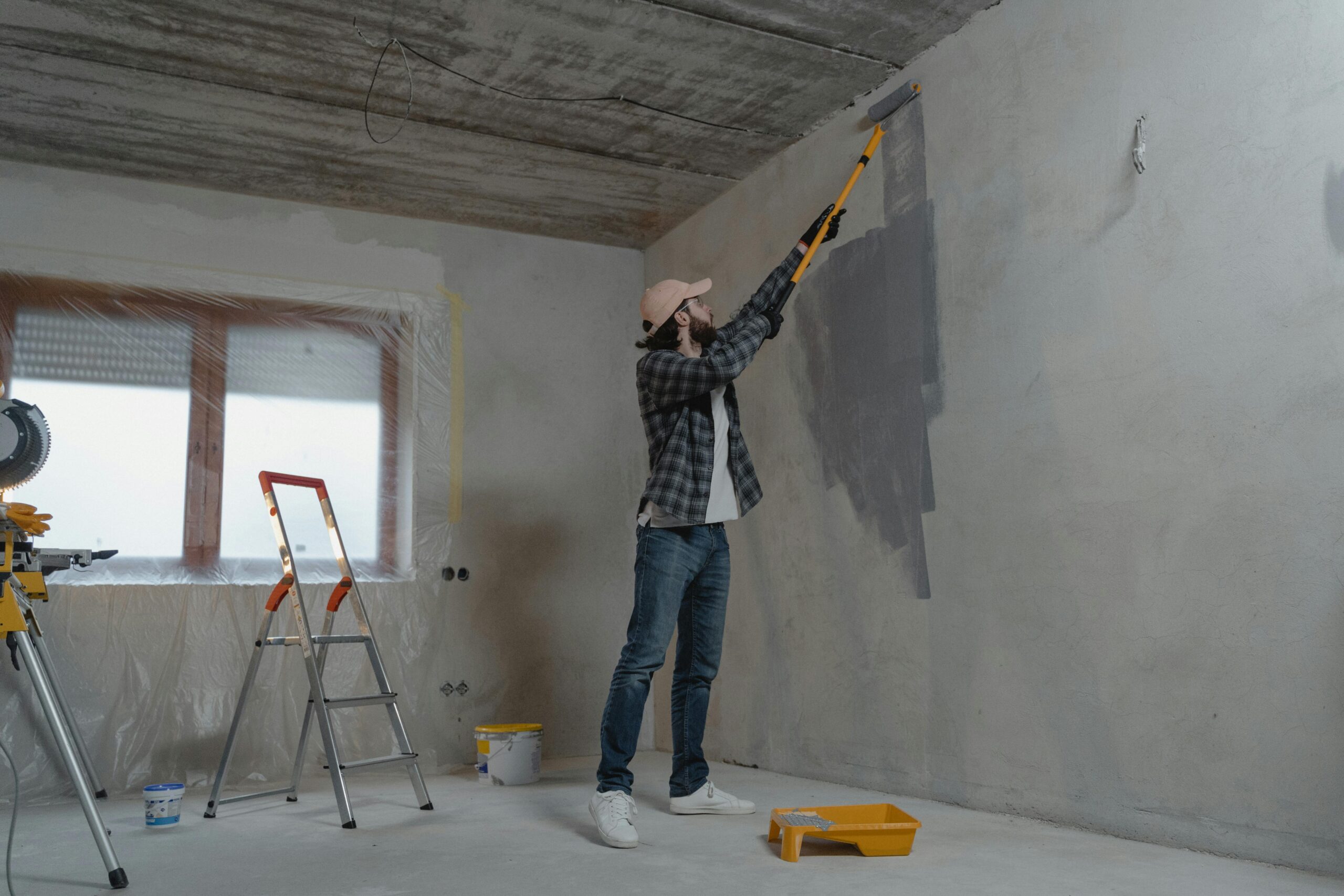
A rehab budget is one of the most critical concepts in house flipping.
That’s because property flippers and developers who get it wrong invariably lose their money.
In California’s expensive construction environment, underestimating renovation costs is a fast track to seeing your profit margin go up in smoke.
Here’s how to ensure your rehab budget stacks up and help ensure your time, blood, sweat and tears are converted into cash rather than crisis.
What is a rehab budget?
A rehab budget specifies the total cost required to renovate a property and realise its ARV (After Repair Value).
It typically includes:
- labor
- materials
- permits
- contractor costs
- unexpected repairs
Flippers use rehab budgets to determine whether a deal is financially viable.
The importance of a rehab budget for flippers in California
An accurate rehab budget is especially important for flippers and developers in California.
That’s because small miscalculations can quickly escalate.
California has some of the highest construction costs throughout the country.
Contributing factors include:
- labor shortages
- permit costs
- strict building codes
- higher material prices
If a rehab budget is underestimated in California, it tends to have a domino effect.
A $20,000 underestimate in renovations can quickly snowball into six figures.
That’s because an overlooked electrical, foundation or sewer issue often triggers additional required work.
- Opening walls can require code compliance upgrades
- Touching systems such as paint, flooring, lighting or electrical may require full replacement rather than partial fixes
- Discovering issues during the rebuild can lead to engineering costs, permit issues and require a total redesign.
Contractors may then re-quote for additional work mid-project.
That additional work adds time to projects which impacts holding costs.
Delays could see peak selling seasons missed, extending days on market and further holding costs.
Flips operate on relatively tight margins.
When flippers get their rehab budget wrong, they leave themselves open to a significant loss.
What a rehab budget typically includes
It is important to be thorough when compiling a rehab budget.
Typical categories include:
Exterior
- landscaping
- paint
- driveway improvements
- windows and doors
- deck or patio work
Interior
- flooring
- kitchen remodel
- bathroom upgrades
- drywall and paint
- lighting fixtures
- cabinetry and countertops
- appliances
Mechanical systems
- plumbing
- electrical
- HVAC (heating and cooling systems)
Structural or unexpected issues
- foundation repairs
- roof replacement or repair
- water damage
- mold remediation
Miscellaneous and hidden costs
- demolition and debris removal
- dumpster rental
- pest control
- permits, inspections, surveying fees
- cleaning/staging before sale
Don’t forget to add labor costs of contractors and subcontractors which can be 40-60% of the total rehab budget, especially in California.
And don’t forget one of the biggest mistakes flippers make – a contingency fund.
The biggest mistakes flippers make with rehab budgets
Inexperienced flippers are particularly prone to making common mistakes when compiling a rehab budget.
The biggest ones are:
Overlooking contingency funds – it is critical to add between 10-20% as a contingency fund to any rehab budget to help cover any underestimates, shortfalls, delays and unexpected issues.
Underestimating labor costs –they continue to climb steeply and any errors are compounded when unexpected issues arise and more work needs to be undertaken.
Ignoring permit requirements – Los Angeles has some of the highest permit fees in California with costs varying between around $500-$4,000 depending on the specifics of the renovation. Approvals can sometimes take up to eight weeks raising holding costs.
Over-improving for the neighborhood – the best house in the worst street helps raise the value of the houses around it but is a poor formula for the seller. Ensure improvements are in line with the neighborhood or risk losing money on your improvements.
Why lenders scrutinize every rehab budget
Private and hard money lenders scrutinize a rehab budget very carefully because it directly affects the project’s viability.
If the numbers don’t add up, there’s a very real likelihood that the project will be delayed or lose money, putting the lender’s investment in jeopardy.
A rehab budget also has a direct influence over a project’s loan-to-cost ratio and draw schedules.
A realistic rehab budget signals that a borrower understands the project.
How experienced investors estimate a rehab budget
Professional flippers don’t guess.
They make informed estimates based on all the information and metrics at their disposal.
That means:
Calculating cost per square foot – even a light rehab can cost up to $37 per square foot. Moderate rehabs generally cost between $40-90 per square foot with full guts between $90-185 PSF.
Walking the property – Use a repeatable inspection system or structured room-by-room checklist to walk the property with contractors to gain accurate labor quotes for all jobs.
Closely analyzing previous renovations – compare like for like with past renovations.
Building contingencies into their budget – we’ve said it before and we’ll say it again, this is an absolute non-negotiable. Add 10-20%.
Break it down – estimate each job separately i.e. kitchen, bathrooms, flooring, paint, systems, exterior. This helps reduce big errors.
Assuming the worst – on hidden items such as electrical upgrades in older homes, subfloor water damage or old plumbing. It helps avoid nasty surprises and crippling budget blowouts.
Get funded and supported today
An accurate rehab budget is what separates amateur flippers from the pros.
Beginners estimate based on hope.
Professionals use worst-case scenarios, real costs and trusted systems to confidently predict how much they need to spend.
And they work backwards by asking not how much a project will cost but how much they can afford.
If you are just starting out in the flipping game or think you could use some expert advice to sharpen your rehab budget preparation, a chat with the team at Equidy is a great idea.
Equidy has an intimate and personal history with all aspects of property development in California and has done so for well over 40 years.
They will help you produce a rehab budget you can be confident of meeting.
That’s because their sole focus is to help you maximize the return on your investment without putting yourself at unnecessary financial risk.
And even better, Equidy doubles as a hard money lender that can finance flippers and developers in as little as 48 hours.
They stand by their core belief that anything is possible and they strive to prove it every single day.
Even in stressful economic times, they are focused on rewarding entrepreneurship and resolve to help their clients crystallize their wealth creation dreams.
Equidy enjoys long and established relationships with serious investors, sellers and real estate professionals while leveraging their reputation and trust, using clear communication to minimize the risk to all parties.
Contact Equidy today to book your free strategy call.


